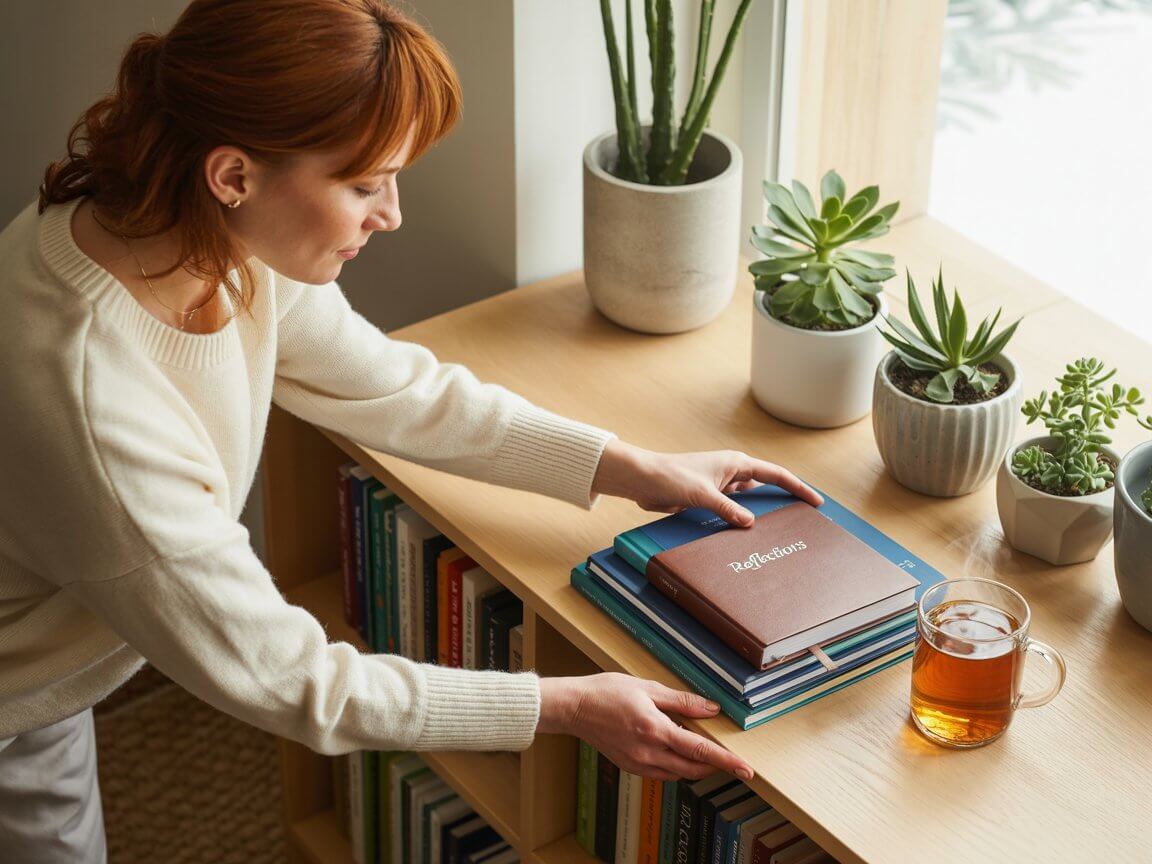
Have you ever walked into a cluttered room and instantly felt overwhelmed — or entered a peaceful space and immediately felt calmer?
That’s not a coincidence. Your physical environment has a powerful impact on your emotional well-being.
From the colors on your walls to the sounds in your home, the spaces you spend time in shape your mood, focus, energy levels, and even your self-worth.
In this article, we’ll explore how your surroundings influence your emotions — and how small changes to your environment can lead to big shifts in your mental and emotional health.
Why Your Environment Affects Your Emotions
Your brain is always scanning for signals of safety, stimulation, and comfort. Your environment sends constant messages that either calm or activate your nervous system.
Key ways your environment impacts you:
- Clutter = stress, anxiety, and distraction
- Natural light = energy, clarity, and happiness
- Soft textures and sounds = emotional regulation
- Harsh lighting or noise = irritability and overwhelm
- Order and beauty = motivation, peace, and confidence
Your space either supports your emotional health — or subtly works against it.
The Science Behind the Space-Emotion Connection
Numerous studies show that our environment directly affects how we feel and behave.
- Visual clutter has been linked to increased cortisol levels (your body’s stress hormone).
- Natural elements (like plants and sunlight) are proven to reduce anxiety and improve mood.
- Noise pollution increases heart rate and irritability.
- Color psychology shows that certain hues can influence your emotional state.
Bottom line: your environment is not neutral — it shapes your emotions every day, even if you’re not aware of it.
How to Read the Emotional Signals of Your Space
Walk into a room in your home. Pause and ask:
- How does this space make me feel — energized, drained, peaceful, tense?
- Is this area supporting the way I want to feel in my life?
- What’s one thing I could add, remove, or shift to change the energy?
Tuning into your emotional response to your surroundings is the first step to intentional change.
Emotional Cues by Space
Let’s break it down room by room and look at how each environment may be affecting you emotionally.
🛏️ Bedroom — Emotion: REST or RESTLESSNESS?
Your bedroom should feel like a sanctuary. If it’s messy, overly bright, or filled with screens, your sleep and emotional recovery can suffer.
Tips:
- Use calming colors (blues, greens, neutrals)
- Keep nightstands and floors clutter-free
- Add a plant, soft lighting, or essential oils
- Remove devices or limit screen use before bed
Goal emotion: calm, grounded, restored.
🧠 Home Office or Workspace — Emotion: FOCUS or FRUSTRATION?
Disorganized or overstimulating workspaces can create tension, procrastination, and fatigue.
Tips:
- Minimize visual clutter — clear your desk
- Use organizers or a filing system
- Add one object that inspires you (a quote, photo, or plant)
- Face your desk toward natural light if possible
Goal emotion: clarity, purpose, momentum.
🍽️ Kitchen — Emotion: NOURISHMENT or CHAOS?
Your kitchen can either support healthy habits or feel like a stress zone — especially if it’s chaotic or disorganized.
Tips:
- Clear countertops of unnecessary items
- Store healthy food where it’s visible
- Keep cooking tools you use often within easy reach
- Use soft lighting and music while preparing meals
Goal emotion: ease, creativity, nourishment.
🛁 Bathroom — Emotion: SELF-CARE or RUSH?
Bathrooms are often overlooked, but they’re where many of our most intimate routines happen. The environment can influence how you see yourself.
Tips:
- Declutter skincare and product shelves
- Add a calming scent (e.g., eucalyptus, lavender)
- Keep towels fresh and neatly stored
- Add a small plant or mirror note: “You’re enough.”
Goal emotion: care, confidence, calm.
🛋️ Living Area — Emotion: CONNECTION or DISTRACTION?
This is the heart of your home — where you rest, gather, and recharge. Overcrowded or noisy living spaces can make it hard to relax or connect.
Tips:
- Arrange furniture to encourage face-to-face conversation
- Store tech items out of sight when not in use
- Use soft textures: pillows, blankets, rugs
- Display art or objects that spark joy or reflection
Goal emotion: warmth, ease, belonging.
How to Create Emotionally Supportive Spaces
Here are some simple strategies that apply to any room:
1. Use Lighting Intentionally
Natural light = boosts mood and clarity
Soft light (lamps, candles) = encourages calm and rest
Avoid harsh overhead light when winding down
2. Declutter as Emotional Care
Each item you remove reduces stimulation.
Each clear surface creates mental space.
Ask: Is this supporting who I want to be in this space?
3. Add Natural Elements
Plants, wood, stone, and water have a grounding effect.
Benefits of indoor plants:
- Lower stress
- Cleaner air
- Visual calm
Even a single plant can transform the emotional tone of a room.
4. Embrace Sensory Wellness
Pay attention to:
- Smell: incense, diffusers, candles
- Touch: cozy textures, soft bedding
- Sound: music, water fountains, silence
Create an environment that comforts your senses — it stabilizes your emotions.
5. Use Color with Purpose
| Color | Emotional Impact |
|---|---|
| Blue | Calming, trust-building |
| Green | Balancing, restful |
| Yellow | Uplifting, energizing |
| Gray | Neutral, grounding |
| Red | Stimulating, intense |
Choose colors that match the emotional tone you want in each space.
Your Environment Reflects Your Inner World
Your outer space is often a mirror of your inner state. When you clean, adjust, or nurture your surroundings, you send yourself a powerful message:
“I deserve peace. I deserve clarity. I deserve care.”
It’s not about having a perfect home. It’s about building a space that supports your emotional well-being.
Every time you organize, declutter, or beautify a space, you’re not just creating order — you’re building emotional safety.
Final Thoughts: Your Space Is Emotional Self-Care
You don’t have to renovate your home to feel better. Start with one small shift:
- Light a candle
- Declutter one drawer
- Add a plant
- Rearrange a shelf
- Play music while you tidy
Let your space evolve with your needs.
Because when your environment supports your emotions, everything else flows easier.
A calm space creates a calm mind. And a calm mind creates a meaningful life.