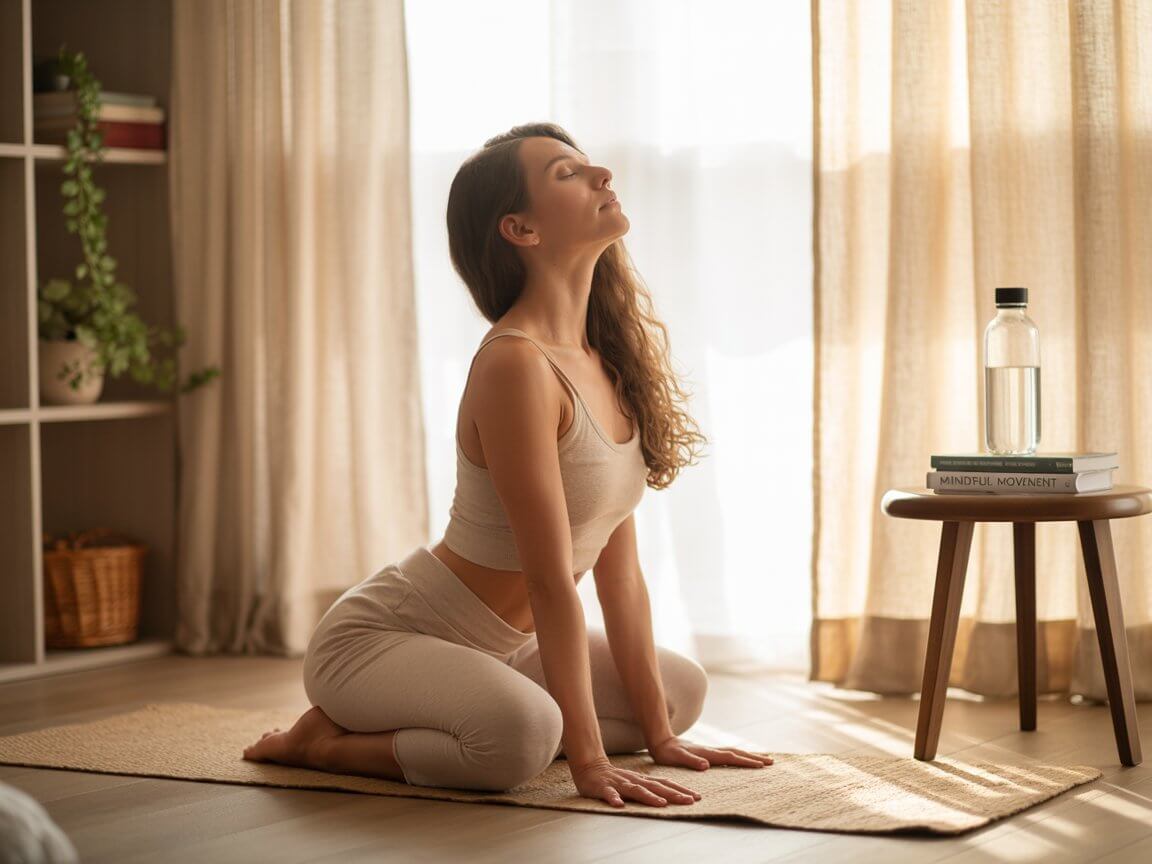
Whether you spend your days sitting at a desk, standing for long hours, chasing after kids, or working out, your body is under constant physical stress. Over time, this leads to tight muscles, stiffness, poor posture — and eventually, pain or fatigue.
But there’s an accessible, gentle, and powerful solution: stretching.
You don’t have to be an athlete or yoga pro to benefit from it. With just a few minutes a day, the right stretching routine can release built-up tension, improve flexibility, and help you feel more relaxed in your own body.
In this article, we’ll explore the best stretching routines to ease body tension, how to do them safely, and how to make them part of your everyday life.
Why Stretching Matters
Stretching does more than improve flexibility. It supports the entire musculoskeletal system, helping you:
- Reduce muscle stiffness
- Increase range of motion
- Improve posture and alignment
- Release tension caused by stress
- Prevent injury
- Boost circulation and energy
- Promote calm and relaxation
Stretching is also a powerful tool for body awareness — helping you connect to where you’re holding tension and release it consciously.
When Should You Stretch?
Contrary to popular belief, stretching isn’t just for warming up or cooling down after workouts.
Best times to stretch:
- First thing in the morning (to awaken the body)
- During work breaks (especially if sitting a lot)
- After exercise (to prevent tightness)
- Before bed (to promote relaxation and sleep)
- Anytime you’re feeling tense or sore
The key is consistency. Even 5–10 minutes a day can make a noticeable difference.
Stretching Tips for Beginners
- Move slowly and breathe deeply
- Never force or bounce into a stretch
- Stretch both sides of the body evenly
- Hold each stretch for at least 20–30 seconds
- Relax into the stretch rather than pushing through discomfort
- Use a mat or towel to protect joints on hard surfaces
If a stretch hurts, ease out of it. Stretching should feel good — not painful.
Full-Body Stretching Routine (10–15 Minutes)
This routine targets common areas of tension and is perfect for morning, after work, or before bed.
1. Neck Side Stretch
Muscles: neck, shoulders
- Sit or stand tall
- Tilt your head to one side, bringing your ear toward your shoulder
- Hold for 30 seconds each side
2. Shoulder Rolls + Cross Arm Stretch
Muscles: shoulders, upper back
- Roll your shoulders forward and backward for 30 seconds
- Then, bring one arm across your chest and hold with the opposite hand
- Hold each side for 30 seconds
3. Cat-Cow Stretch
Muscles: spine, shoulders, back
- On hands and knees, alternate between arching your back (cow) and rounding it (cat)
- Move with your breath for 1 minute
4. Child’s Pose
Muscles: hips, lower back, thighs
- From hands and knees, sit your hips back onto your heels
- Stretch arms forward and rest forehead on the floor
- Hold for 1–2 minutes
5. Seated Forward Fold
Muscles: hamstrings, spine
- Sit with legs extended in front
- Inhale, lengthen spine; exhale, hinge at hips to reach toward toes
- Hold for 1 minute, keeping knees slightly bent if needed
6. Standing Quad Stretch
Muscles: thighs, hips
- Stand tall, bend one knee, and hold foot behind you
- Keep knees together and spine neutral
- Hold each side for 30 seconds
7. Hip Flexor Stretch (Kneeling Lunge)
Muscles: hips, groin
- Kneel on one knee, other foot forward
- Gently press hips forward, keeping torso upright
- Hold each side for 30 seconds
8. Supine Spinal Twist
Muscles: spine, back, glutes
- Lie on your back, bring one knee across your body
- Stretch the opposite arm out, gaze away from the bent knee
- Hold each side for 1 minute
9. Reclining Figure Four Stretch
Muscles: hips, glutes
- Lie on your back, cross one ankle over the opposite knee
- Thread hands behind thigh and gently pull
- Hold each side for 30–60 seconds
10. Deep Breathing in Savasana
Muscles: the entire nervous system
- Lie flat, arms by your side, palms up
- Breathe slowly and deeply for 2 minutes to finish
Desk Stretching Routine (For Office or Remote Work)
Sitting for hours can wreak havoc on your posture and energy. Try this 5-minute routine during work breaks.
1. Seated Spinal Twist
- Sit tall in your chair
- Twist your torso to one side, holding the armrest or back
- Hold each side for 30 seconds
2. Seated Chest Opener
- Clasp hands behind your back or hold a towel
- Lift your chest and squeeze shoulder blades
- Hold for 30 seconds
3. Neck Rolls
- Slowly circle your head in one direction, then reverse
- 30 seconds each way
4. Wrist and Finger Stretch
- Extend one arm, palm out, gently pull fingers back
- Repeat on both sides
- Shake hands out to release tension
5. Forward Fold
- Stand up, hinge at the hips, and let arms dangle toward the floor
- Soften knees, let head relax
- Hold for 1 minute
Stretching Before Bed (To Wind Down)
Evening stretching can help shift your body from a busy day into rest mode. Focus on slower movements, longer holds, and calm breathing.
Try these before bed:
- Legs up the wall (5 minutes)
- Reclining twist (2 minutes per side)
- Cat-cow (1 minute)
- Seated forward fold (2 minutes)
- Deep breathing or meditation (3–5 minutes)
Keep lights low, play calming music, and focus on the sensation of release.
When to Avoid or Modify Stretching
While stretching is generally safe, be cautious if you have:
- Recent injuries
- Joint instability
- Chronic pain conditions
- Herniated discs or nerve issues
Always consult a physical therapist or healthcare provider if unsure. Modify movements to suit your body’s needs.
Stretching Is Self-Care
Stretching isn’t just a physical routine — it’s a form of self-respect. In a world where tension builds easily and quietly, taking time to move with care is both radical and restorative.
You don’t need to be flexible. You don’t need fancy clothes or props. You just need to listen to your body and offer it space to release.
Final Thoughts: Make Space to Unwind
Your body holds your experiences — your stress, your effort, your daily movement. Stretching is a way to say:
“I see you. I’m here for you. Let’s release what’s not serving us.”
So roll out the mat, take a deep breath, and give your body the love it deserves — one stretch at a time.