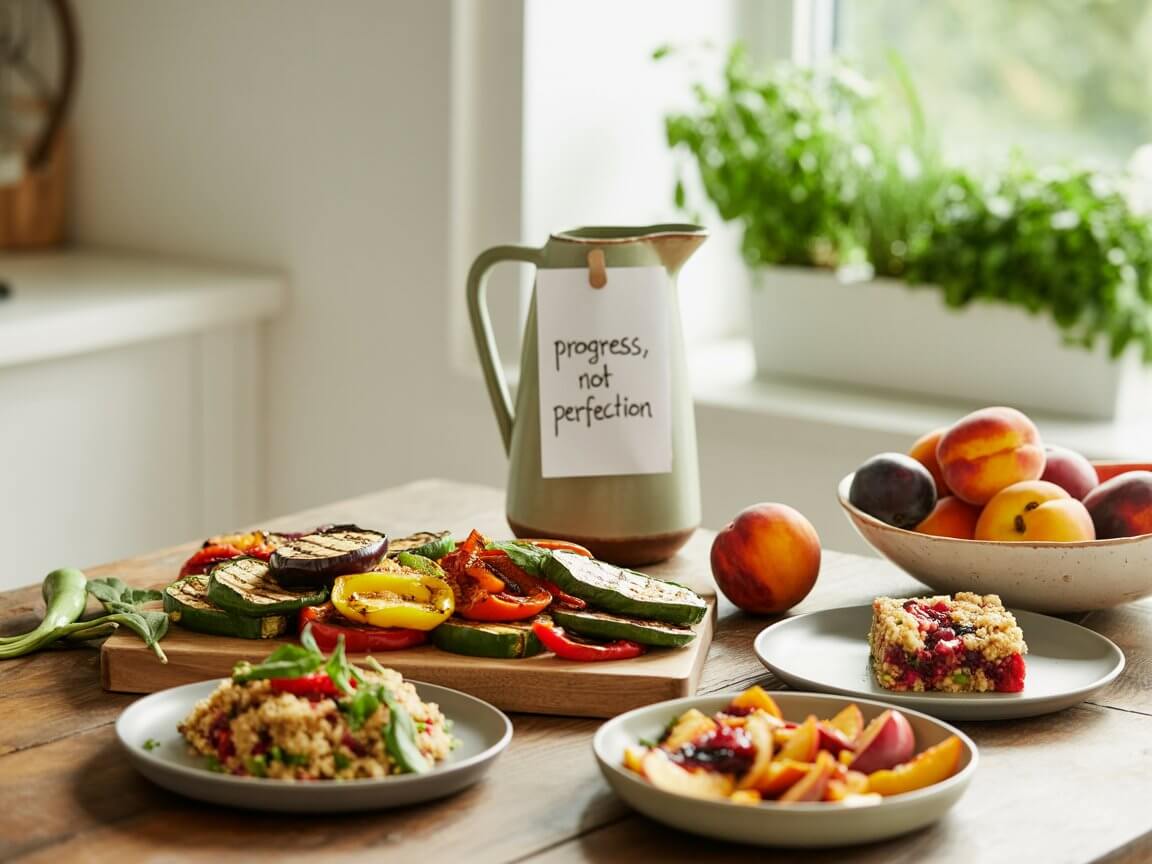
“Clean eating” is one of the most popular wellness trends of the past decade. It’s everywhere — on social media, in fitness circles, and on food packaging. The term often conjures images of green smoothies, colorful salads, and perfectly arranged meal prep containers.
But as popular as it is, clean eating is also widely misunderstood. What started as a well-intentioned effort to eat more whole foods has evolved into a confusing — and sometimes harmful — set of rules, restrictions, and judgments.
In this article, we’ll debunk some of the most common clean eating myths, explain why they can be misleading, and offer a more balanced, flexible way to approach your health.
What Is “Clean Eating,” Really?
At its core, clean eating is meant to encourage the consumption of whole, minimally processed foods — fruits, vegetables, lean proteins, whole grains, and healthy fats — while reducing intake of heavily processed or artificial ingredients.
But here’s where things get tricky: there’s no universal definition of what “clean” means. What one influencer considers clean, another might not. This opens the door to confusion, guilt, and unnecessary restriction.
That’s why it’s so important to question what clean eating really means — and whether it’s actually helping or hurting your relationship with food.
Myth #1: Clean Eating Means Only Whole Foods, All the Time
The reality: Whole foods are great, but eliminating all processed foods is unrealistic — and unnecessary.
Yes, ultra-processed foods high in sugar, sodium, and additives can be harmful when eaten in excess. But some processing is actually helpful — like freezing vegetables, fermenting yogurt, or pasteurizing milk. Even pantry staples like canned beans or whole grain bread involve processing.
The takeaway: It’s about minimizing harmful ingredients — not achieving food purity. Nutritional value exists on a spectrum, not in absolutes.
Myth #2: Clean Foods Are Always Better Than Cooked or Prepared Options
The reality: A raw kale salad isn’t automatically healthier than a warm, nourishing lentil stew.
Many clean eating guidelines emphasize raw, uncooked, or “fresh” foods — but that’s not always better for digestion or nutrient absorption. Cooking tomatoes, for example, actually increases their lycopene content (an antioxidant).
Don’t fear: Stews, soups, roasted veggies, and baked grains are not “dirty.” They’re often more satisfying, digestible, and comforting.
Myth #3: You Have to Cut Out Entire Food Groups
The reality: Carbs, dairy, or even gluten-containing foods are not inherently “unclean.”
Some clean eating regimens push people to cut out all sugar, all carbs, all dairy — even if there’s no medical reason. This black-and-white thinking can lead to fear around food, guilt, and nutritional imbalances.
Unless you have a diagnosed allergy or intolerance, you don’t need to eliminate entire food groups to be healthy.
Balanced tip: Inclusion is more sustainable than exclusion.
Myth #4: Clean Eating Guarantees Weight Loss
The reality: Eating whole foods can support overall health, but it doesn’t automatically mean weight loss — and that’s okay.
Weight loss depends on a variety of factors: metabolism, hormones, sleep, stress, activity, genetics. Clean eating may help you feel better, reduce inflammation, and improve digestion, but it’s not a magic formula for fat loss.
Important: Thinness does not equal health. Focus on how you feel, not just how you look.
Myth #5: Clean Eating Is Always More Expensive
The reality: Eating healthy doesn’t have to break the bank.
While some organic or specialty items can be costly, many nutritious whole foods — like oats, rice, beans, seasonal produce, and frozen vegetables — are budget-friendly.
Money-saving tips:
- Buy in bulk when possible
- Plan meals in advance
- Use what’s already in your pantry
- Don’t fall for expensive superfoods — everyday foods are powerful too
Myth #6: If It’s Not Perfect, It’s Dirty or Bad
The reality: This mindset creates shame and perfectionism around food.
Food is not moral. You’re not “bad” because you ate a cookie, and you’re not “clean” because you had a salad. This kind of labeling leads to stress, guilt, and sometimes binge eating.
Health isn’t about perfection — it’s about patterns. One meal won’t make or break your health. What you do most of the time matters more than what you do occasionally.
Myth #7: Clean Eating Is the Only Path to Health
The reality: There are many ways to eat well and feel good — not just one.
What works for one person might not work for another. Some people thrive on plant-based meals, others on balanced omnivorous diets. The healthiest diet is the one that supports your individual needs, preferences, lifestyle, and culture.
Instead of chasing an ideal, aim for consistency, variety, and satisfaction.
The Risks of Taking Clean Eating Too Far
When clean eating becomes obsessive or rigid, it can lead to orthorexia — an unhealthy fixation on “pure” eating. Symptoms may include:
- Avoiding social situations involving food
- Feeling anxious about “unclean” meals
- Judging others’ food choices
- Constant preoccupation with food quality
This can damage your relationship with food, increase stress, and reduce joy in eating.
So… What Should You Aim for Instead?
Rather than trying to eat “clean,” try aiming to eat nourishing, balanced, and joyful meals. Here’s what that might look like:
- Focus on variety: more colors, more nutrients, more pleasure
- Cook more at home: for connection and control
- Enjoy indulgences: without guilt
- Listen to your body: eat when you’re hungry, stop when you’re satisfied
- Use gentle nutrition: think about what makes you feel good long term
This approach is sustainable, flexible, and much more enjoyable than restrictive clean eating.
Real Food, Real Life
You don’t need to be perfect to be healthy. You don’t need a spotless kitchen, gourmet ingredients, or a detox cleanse to feel well.
What you do need is compassion for your body, respect for your food choices, and freedom from guilt.
Clean eating might sound pure, but balance is where the real magic happens.