Processed foods are everywhere — from fast food drive-thrus to boxed dinners and snack aisles. While some processing is necessary (like freezing or pasteurizing), the issue lies in ultra-processed foods that are high in added sugars, unhealthy fats, sodium, and artificial ingredients.
These foods may be convenient, but over time, they can contribute to inflammation, low energy, and chronic health issues. Still, many people hesitate to reduce processed food because they worry about one thing: taste.
Here’s the good news: eating less processed food doesn’t mean sacrificing flavor or joy. In fact, whole foods can be incredibly delicious — when you know how to work with them.
In this article, you’ll learn why cutting back on processed food matters, how to do it gradually and realistically, and simple tips to keep your meals full of flavor.
What Are Processed Foods (and Why Reduce Them)?
Processed food refers to anything that has been altered from its natural state. This includes chopping, freezing, fermenting, or adding preservatives. Not all processed food is bad — for example, frozen vegetables or canned beans can be part of a healthy diet.
The concern is with ultra-processed foods, which typically include:
- Artificial flavors, colors, or sweeteners
- High-fructose corn syrup
- Hydrogenated oils
- Refined flours and sugars
- Long ingredient lists you can’t pronounce
Examples include packaged snacks, frozen pizzas, instant noodles, sugary breakfast cereals, and soda.
Why reduce them?
Excess consumption has been linked to:
- Increased risk of obesity and diabetes
- Digestive issues
- Low mood and energy crashes
- Chronic inflammation
- Poor heart health
The Benefits of Eating Less Processed Food
By choosing whole or minimally processed foods, you’ll likely notice:
- Better digestion and less bloating
- Improved energy and focus throughout the day
- More stable mood and reduced cravings
- Stronger immune function
- Healthier skin and weight balance
Plus, you’ll regain a deeper connection to your food — and the act of eating itself.
Step-by-Step: How to Reduce Processed Food Without Losing Flavor
1. Start With One Meal a Day
You don’t have to overhaul your entire diet overnight. Begin by upgrading one daily meal — like breakfast or lunch.
Example:
Instead of sugary cereal, try oats with banana, cinnamon, and peanut butter.
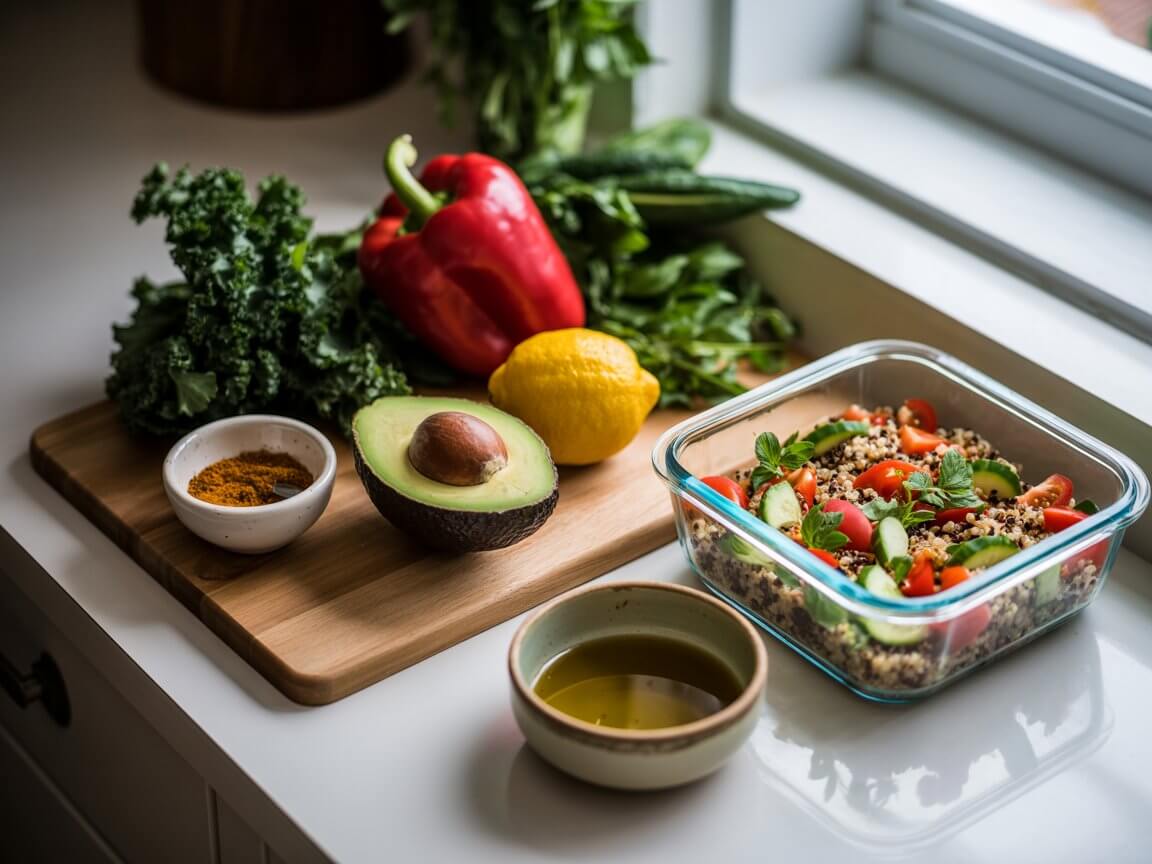
Instead of a frozen lunch, try a quinoa bowl with veggies and a boiled egg.
Small, consistent changes lead to sustainable habits.
2. Learn to Read Labels
If a product has a long list of ingredients, especially ones you don’t recognize, it’s likely ultra-processed. Pay attention to:
- Added sugars (look for “syrup,” “glucose,” “maltodextrin”)
- Artificial additives and preservatives
- Trans fats (hydrogenated oils)
Goal: choose products with short, simple ingredient lists — or no label at all (think: apples, eggs, carrots).
3. Cook More — But Keep It Simple
Home-cooked meals give you control over what goes into your food. That doesn’t mean spending hours in the kitchen.
Simple whole-food ideas:
- Stir-fried veggies with brown rice
- Sheet pan roasted chicken and sweet potatoes
- Pasta with homemade tomato sauce and herbs
- Scrambled eggs with spinach and avocado toast
Use olive oil, herbs, garlic, and citrus to add flavor without additives.
4. Upgrade Your Snacks
Many snacks are heavily processed — chips, cookies, energy bars. But there are flavorful, satisfying alternatives.
Healthy snack swaps:
- Swap crackers → for rice cakes with hummus
- Swap candy bars → for dark chocolate and almonds
- Swap chips → for roasted chickpeas or homemade popcorn
- Swap flavored yogurt → for plain yogurt with berries and honey
Keep whole snacks prepped and ready to grab — convenience is key.
5. Make Smart Store-Bought Swaps
When cooking from scratch isn’t possible, choose minimally processed versions.
Examples:
- Choose whole grain bread with few ingredients
- Buy natural peanut butter (just peanuts + salt)
- Use tomato puree instead of jarred pasta sauce
- Pick frozen fruits and vegetables with no added sugars or sauces
Small choices add up.
6. Focus on Flavor-Boosting Ingredients
Whole foods taste amazing when seasoned well. Explore natural ingredients that enhance flavor:
- Herbs and spices: basil, turmeric, oregano, paprika
- Aromatics: garlic, onion, ginger, chili
- Acids: lemon juice, vinegar, lime, balsamic
- Healthy fats: olive oil, tahini, nuts, avocado
These elements add depth, aroma, and excitement to your meals — without artificial enhancers.
7. Batch Prep for the Week
Time is a huge factor when people rely on processed food. Meal prepping helps you stay ahead.
Weekend prep ideas:
- Chop veggies and store them in containers
- Cook grains in advance (rice, quinoa, bulgur)
- Bake a tray of seasoned chicken or tofu
- Prepare dressings and sauces from scratch
When healthy ingredients are ready to go, fast meals are easy.
8. Balance and Flexibility Matter
The goal isn’t perfection — it’s awareness and intention. If you eat a slice of pizza or grab a bag of chips once in a while, that’s okay.
What matters is your overall pattern.
Reminder: food is not “good” or “bad.” It’s about how often, how much, and how you feel.
Whole Food Doesn’t Mean Bland
One of the biggest myths is that “healthy” or “unprocessed” food is boring. With the right preparation, whole foods are deeply satisfying.
Try This Flavorful Meal Template:
Base: brown rice, quinoa, or roasted sweet potato
Protein: beans, lentils, chicken, or eggs
Veggies: sautéed greens, roasted broccoli, shredded carrots
Flavor: tahini dressing, chimichurri, lemon zest, or harissa
Whole meals like these can be more flavorful than takeout — and leave you feeling better afterward.
Listen to Your Body
When you reduce processed food, pay attention to how your body responds. You might notice:
- Fewer sugar crashes
- Clearer skin
- Better sleep
- More regular digestion
- More stable emotions
These signals reinforce your choices and make the shift enjoyable — not forced.
Final Thoughts: Real Food, Real Flavor
Reducing processed food doesn’t mean losing convenience or flavor. With a few smart swaps and simple prep strategies, you can eat in a way that’s nourishing, satisfying, and truly enjoyable.
It’s not about strict rules — it’s about eating closer to the source, connecting with your food, and feeling good in your body.
Let whole, real food become your norm — and watch how your health, energy, and taste buds thank you.